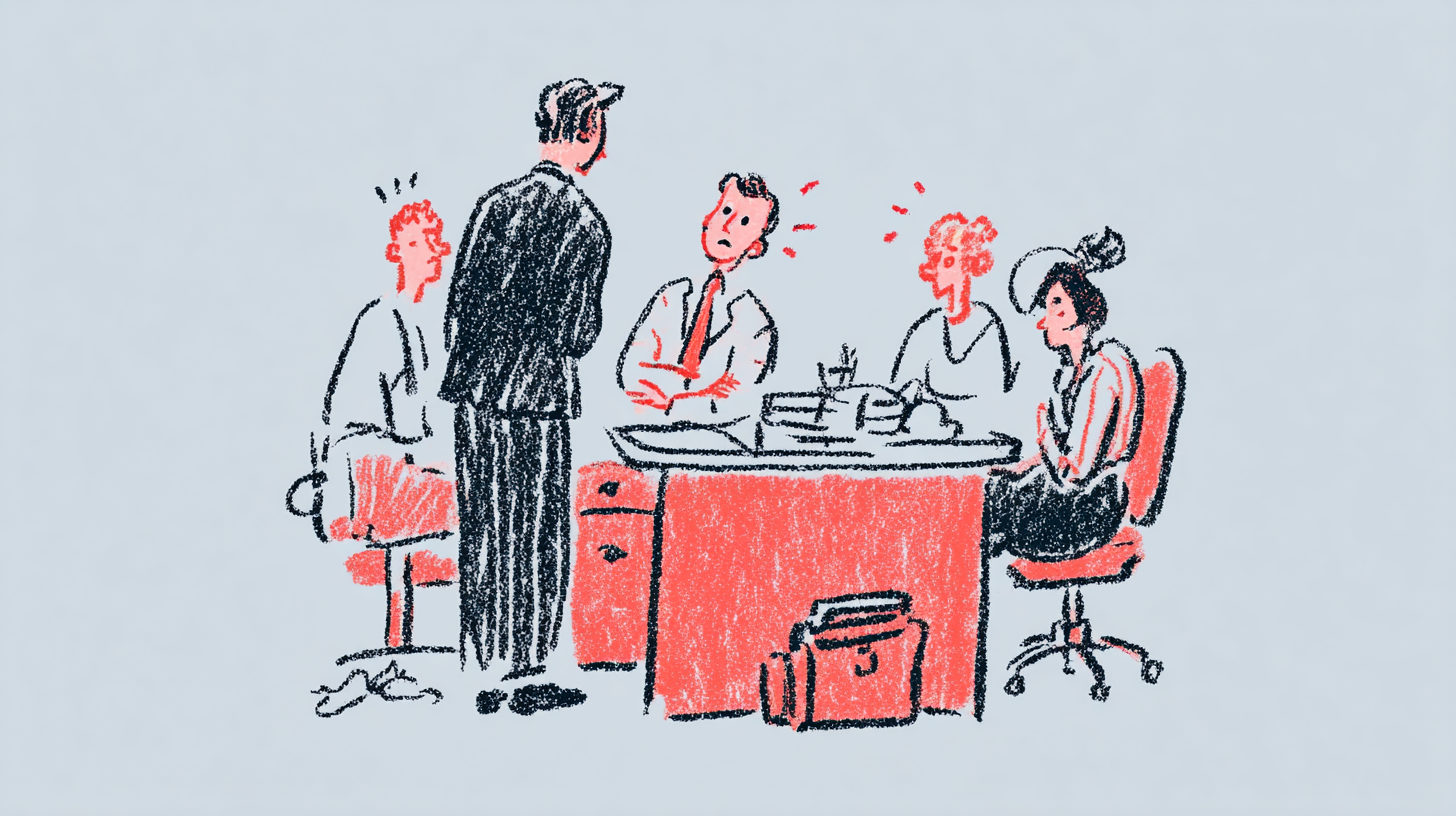

The story of the Flint Water Crisis challenges higher education leaders to see their role in a new light—one where universities stand shoulder to shoulder with the communities they serve. Talking about this shift is important, but talk alone isn’t enough. To truly grasp what it means, leadership teams need experiences that bring the ideas to life: moments that let them feel the weight of community voices, the urgency of outcomes that matter, and the power of long-term partnership. The activities that follow are designed to do just that. They’re practical and hands-on, encouraging leaders to explore these concepts through storytelling, role-play, and problem-solving—so that universities don’t just understand the shift, but begin living it.
Activity 1 - The Flint Simulation
Goal: Build empathy for community perspectives and experience the tension between outputs and outcomes.
Description: Divide the group into four roles: community residents, university researchers, government officials, and media. Present a simulated crisis (e.g., unsafe housing, food insecurity, climate risk). Each group must respond using their “default” institutional logic. Afterward, reconvene to reflect on how those logics clash or align, and where outcome-driven action emerges.
Outcome: Leaders understand how institutional processes can inadvertently widen the legitimacy gap and how reframing toward community-defined outcomes creates trust.
Potential Variations: Use real local community challenges instead of fictional scenarios; invite community members to play themselves.
Facilitation Guide - Activity 1 - The Flint Simulation
Timing: 60–75 minutes
Materials: Scenario brief (adapted to local or fictional crisis), role cards for each group, flip charts/markers.
Steps:
- Introduce scenario (5 min).
- Assign roles: community residents, university researchers, government officials, media (5 min).
- Groups prepare responses to the crisis (15 min).
- Each group presents its approach (20 min).
- Debrief as a whole group (20–30 min).
Debrief Questions:
- How did institutional logics differ between groups?
- Which responses prioritized outputs? Which prioritized outcomes?
- Where did trust break down or build up?
- What lessons apply to your own institution’s decision-making?
Sample Scenario: Water Contamination Near Atlanta
In a neighborhood just outside Atlanta, families begin reporting strange odors and discoloration in their tap water. Several parents notice that their children are experiencing persistent stomach issues and rashes. Frustrated, a group of residents organizes and posts photos and water-test strips on social media.
Local officials assure the community that the water meets all regulatory standards, pointing to recent compliance reports. The CDC in Atlanta, located just a few miles away, becomes aware of the complaints. Community leaders ask CDC researchers to investigate, while city officials urge patience and warn against “causing unnecessary alarm.”
The media begins covering the story, amplifying residents’ concerns. Meanwhile, university researchers at a nearby college are approached to run independent tests. The question for all parties—community residents, university researchers, government officials, and the media—is how to respond in real time, and whose definition of “safe water” should guide action.
Role Briefing Cards
1. Community Residents
- Your perspective: You live in the neighborhood where the water looks, smells, and tastes wrong. Your children are sick, and you no longer trust what officials tell you.
- Your motivation: Protect your family and demand immediate action. You want answers now, not after months of review.
- Your constraints: Limited technical expertise and little access to official channels. Your main tools are persistence, social media, and storytelling.
- Your challenge in the simulation: Convince others to take your lived experience seriously and push for urgent, outcome-driven action.
2. CDC Officials (Atlanta)
- Your perspective: You are scientists and public health professionals at a national institution with strict procedures. You know the importance of rigorous data collection and careful communication.
- Your motivation: Ensure the health of the public while protecting the CDC’s credibility and avoiding panic.
- Your constraints: You must follow protocols and cannot release findings prematurely. You are under political pressure to avoid overstepping local authorities.
- Your challenge in the simulation: Balance the need for speed with scientific rigor and institutional caution.
3. University Researchers
- Your perspective: You are local academic experts with access to labs and data analysis. Community members have approached you directly because they trust you more than government agencies.
- Your motivation: Use your expertise to serve the community and build trust.
- Your constraints: Your career depends on credibility in academic circles, and you may face pushback for going public without peer review.
- Your challenge in the simulation: Decide whether to prioritize traditional academic processes or to step into a more activist, community-partnered role.
4. Media Representatives
- Your perspective: You are local journalists covering the growing story of possible water contamination. You are caught between residents demanding a platform and officials warning against misinformation.
- Your motivation: Break important news, hold institutions accountable, and maintain public trust.
- Your constraints: Risk of spreading panic or damaging credibility if you report too quickly without verified data.
- Your challenge in the simulation: Decide what story to tell, whose voices to amplify, and how fast to report.

Membership in Unbound is free and entitles you to content such as deep dives, scaffolded workshops, and beta software. Your participation and ideas support the community of scholars, practitioners, and leaders who are transforming education.
Next up
 Unbound