
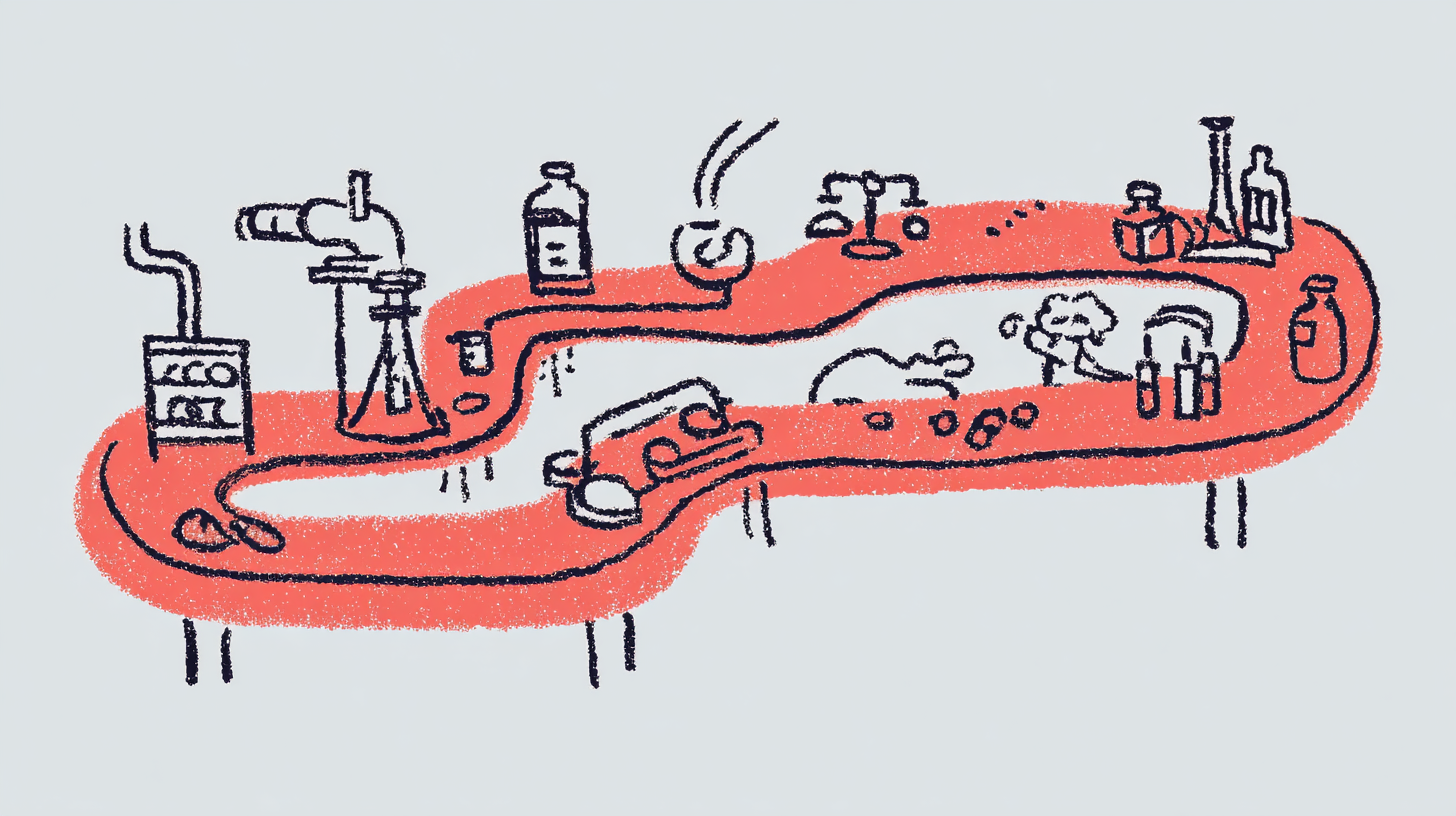
The Translation Engine - Gladstone Institutes and BioFulcrum
Part I
In 2014, Deepak Srivastava stood in his laboratory at the Gladstone Institutes, watching heart muscle cells beat in a petri dish. After years of research, his team had reprogrammed non-muscle cells from mouse hearts into functional, beating heart muscle cells. The discovery offered a potential pathway to regenerate damaged hearts without transplantation.
But Srivastava faced a familiar frustration shared by biomedical researchers worldwide: the "valley of death" between laboratory breakthrough and patient benefit. Traditional academic pathways offered publication and prestige. Industry partnerships promised resources but often meant surrendering control over how discoveries reached patients. Neither path guaranteed that breakthrough science would translate into accessible therapies.
The challenge wasn't unique to Srivastava. Across the Gladstone Institutes, researchers were making fundamental discoveries in virology, neuroscience, and metabolism that could transform human health—if only they could bridge the gap between bench and bedside. Founded in 1979 with an $8 million bequest from J. David Gladstone, the institute had grown into a powerhouse of basic research. But founder Robert Mahley's vision of "basic science with a purpose" demanded more than excellent papers. It required translation infrastructure that didn't exist.
Membership in Unbound is free and entitles you to content such as deep dives, scaffolded workshops, and beta software. Your participation and ideas support the community of scholars, practitioners, and leaders who are transforming education.